

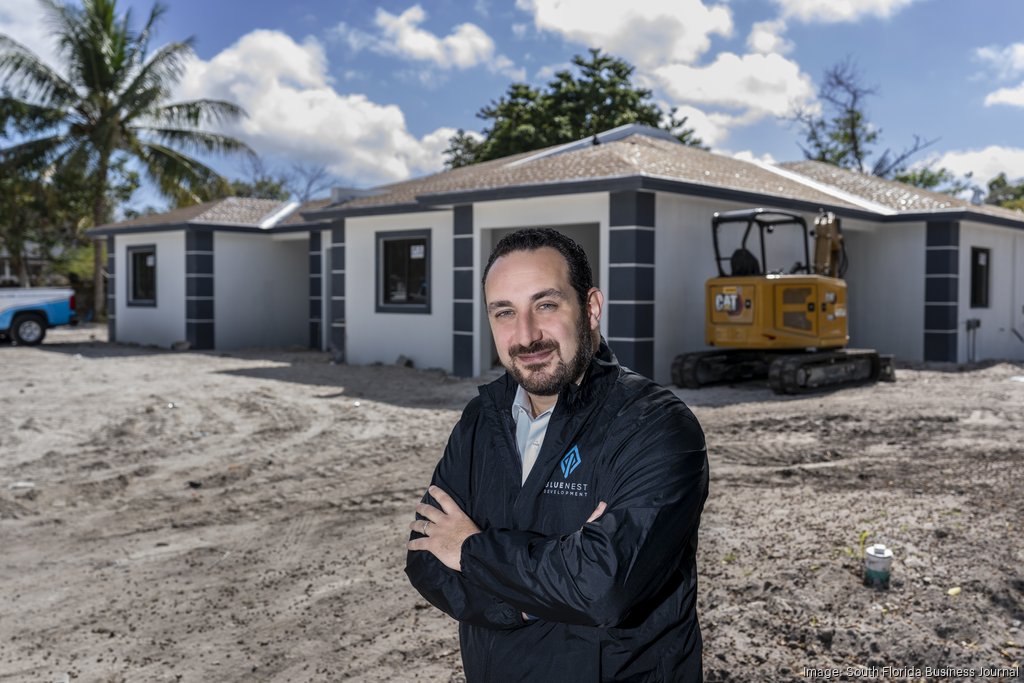
In a compelling profile featured in The Real Deal magazine, The Chraibi brothers, Salim and Kamil Chraibi share the inspiring story of how they built BlueNest Development from a single $650,000 construction loan in 2018 to a workforce housing powerhouse with 1,000 completed homes and a staggering 3,000-home pipeline across southern Miami-Dade County.
The Numbers That Tell the Story
BlueNest Development by the Numbers:
- Founded: 2018 by Salim Chraibi
- First loan: $650,000 (2018)
- Completed homes: 1,000+
- Current pipeline: 3,000 homes in various stages
- Active communities: 23+ across South Miami-Dade
- 2026 target: 400 completions, 600 construction starts
- 2028 goal: 1,000 home deliveries annually
- Workforce housing commitment: 20% of all homes
- Target price point: ~$451,000 (below county median)
These aren't just impressive statistics—they represent thousands of South Florida families achieving homeownership who might otherwise have been priced out of the market.
An Immigrant Success Story
Salim (36) and Kamil (31) Chraibi came to the United States from Casablanca, Morocco, with exposure to real estate through their mother and grandmother but no connections to the U.S. real estate industry.
Their journey exemplifies the American entrepreneurial spirit:
Early Career:
- Pursued other careers initially upon arriving in the U.S.
- Identified critical gap in workforce housing supply
- Made bold pivot to real estate development
- Started with individual homes in Brownsville, West Little River, and Liberty City
First Major Challenge: Securing that initial construction loan proved difficult without an established track record. However, Salim's ambition and vision impressed a lender enough to take a chance on him with a $650,000 loan in 2018.
What Made the Difference: According to the brothers, their success comes from:
- Delivering on promises consistently
- Immigrant perspective on American opportunity
- Seeing gaps others overlooked
- Moving quickly when opportunities arose
- Taking calculated risks others wouldn't
The Strategic Vision: Why South Miami-Dade?
While many developers focus on Miami's urban core or coastal areas, the Chraibi brothers saw untapped potential in southern Miami-Dade County:
“It seemed like everybody was willing to build high-end mansions; $10-, $15-, $20 million homes. But then when you looked at the median income, I was wondering where all of these people were living.” - Salim Chraibi, Bluenest Development
Strategic Advantages:
1. Land Affordability
- Significantly cheaper land acquisition costs
- Allows delivery of workforce-priced homes while maintaining margins
- Opportunity to control larger parcels
2. Zoning Flexibility
- Potential for upzoning and density increases
- Willingness to take entitlement risk others avoid
- Strategic investments in rezoning processes
3. Unmet Demand
- Severe shortage of below-market housing
- Essential workers priced out of other areas
- Perennial demand insulates from market cycles
4. Growth Trajectory
- Area experiencing infrastructure investment
- Transit improvements (South Dade TransitWay)
- Opportunity to shape emerging communities
The BlueNest Formula: What Makes Their Homes Special
BlueNest developments share distinctive characteristics that differentiate them in the marketplace:
Size & Layout:
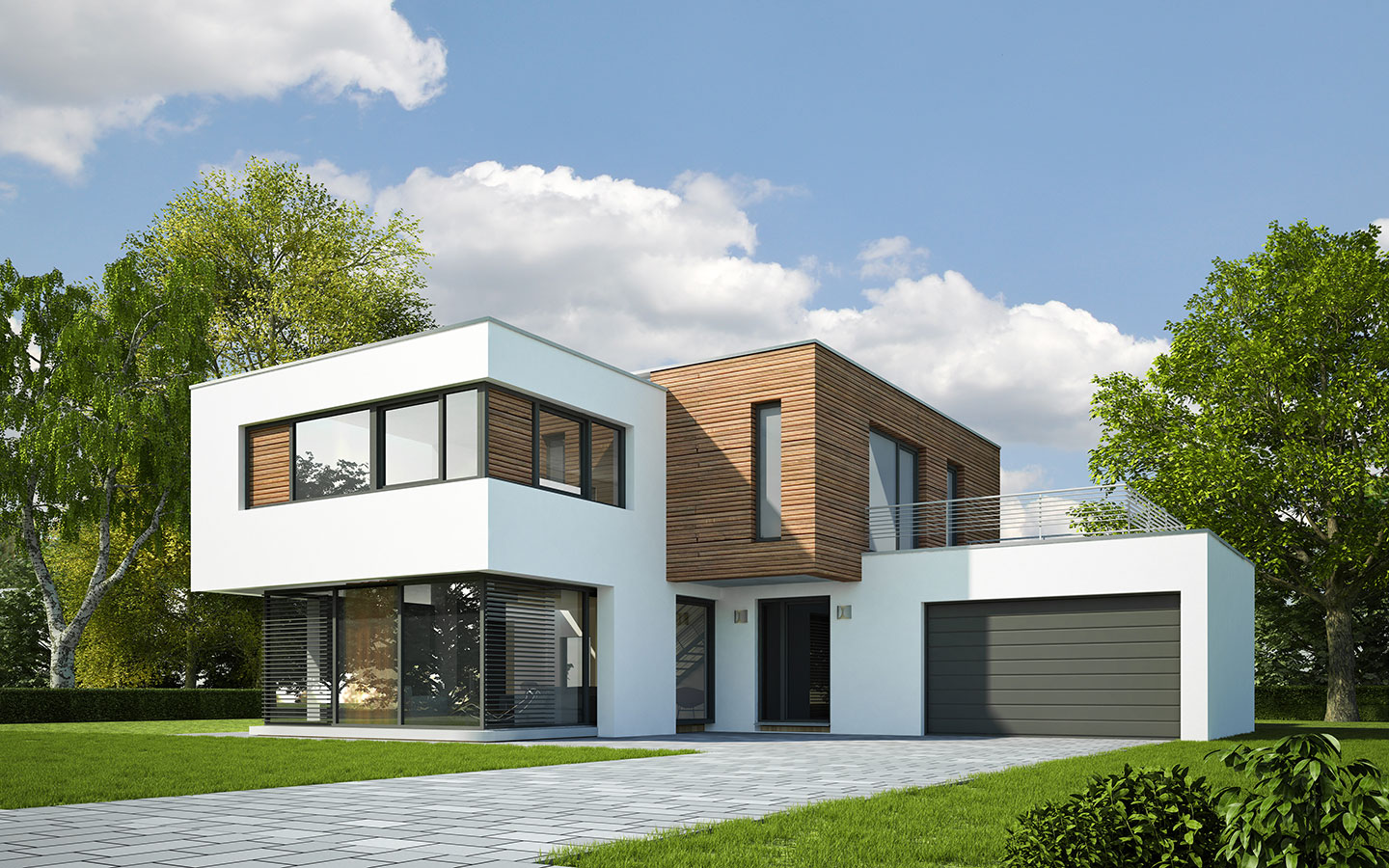
- ~1,900 square feet - significantly larger than typical "affordable" housing
- Minimum 3 bedrooms, 3 bathrooms
- Foyers in many models
- "Pajama rooms" (private upstairs lounges/studies)
- Functional layouts maximizing livable space
Quality Finishes:
- Impact windows and doors (essential for South Florida)
- Waterfall countertops - luxury detail at workforce prices
- Higher ceilings - enhanced sense of space
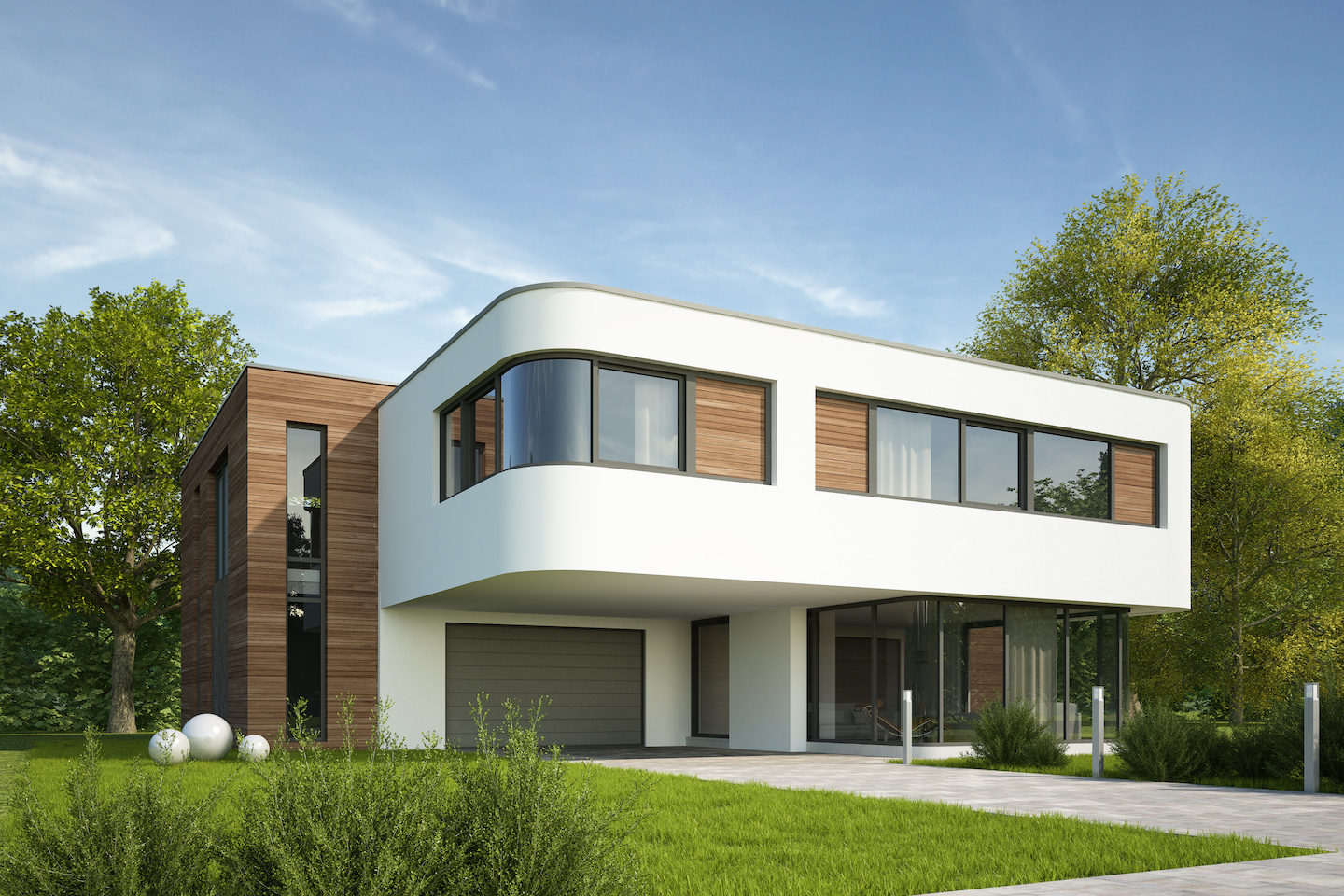
- Modern aesthetics - contemporary design
- Energy-efficient construction
Pricing Strategy:
- Capped at ~$451,000 (below county median of ~$500,000)
- 20% workforce housing reserved (families earning up to 140% AMI)
- For Miami-Dade family of four: ~$122,000 annual income qualifies
The Result: Quality homes that don't compromise on features or livability to achieve workforce pricing.
Current Pipeline: 23 Communities and Growing
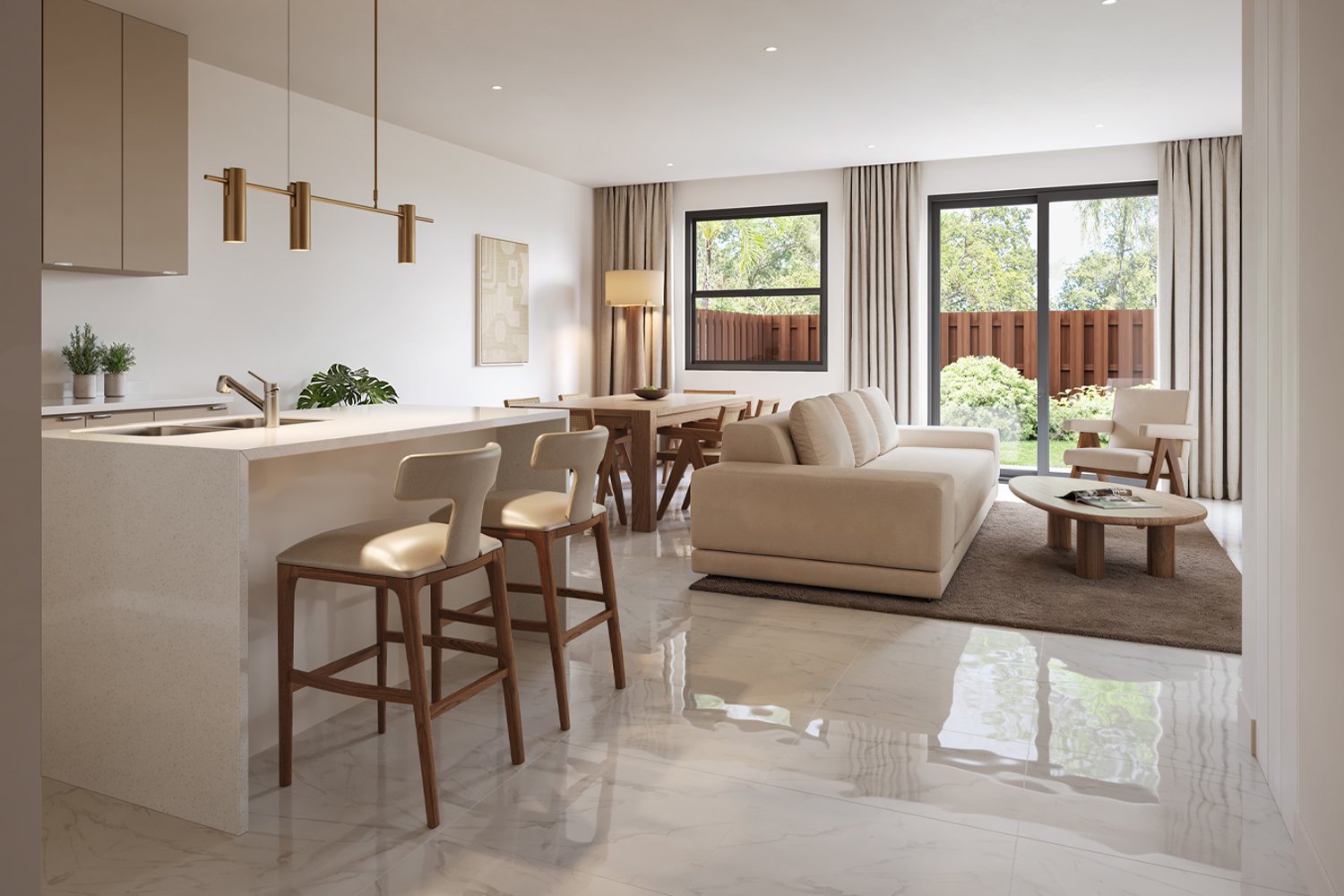
BlueNest is developing communities, not just houses. Here are some highlighted projects:
K Legacy - Princeton
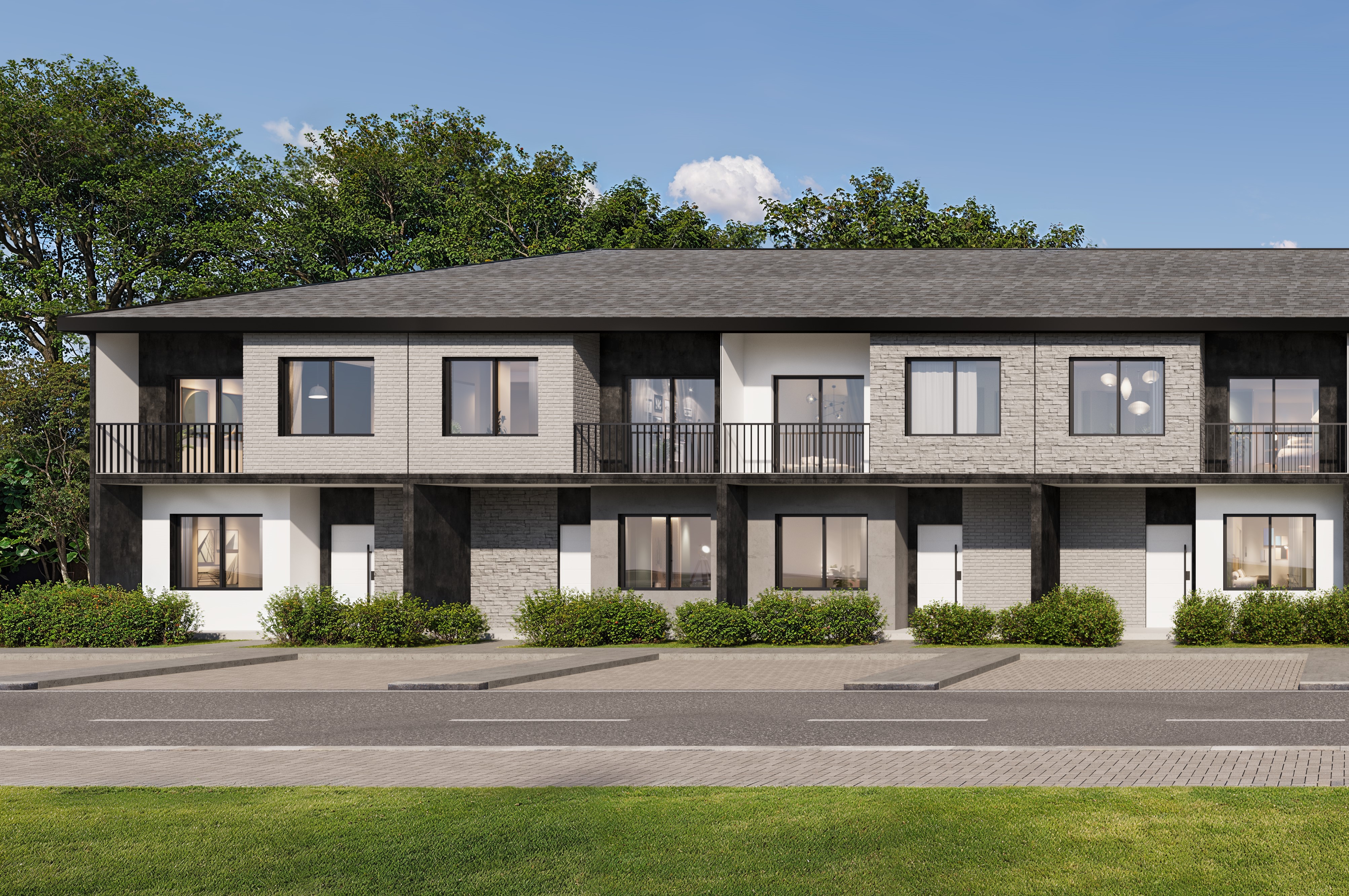
- 57 townhomes
- 4 acres
- Community-focused design
Palm Villas - Naranja
- 33 duplexes
- 4 acres
- Modern duplex living
Park Villas - Near Homestead
- 76 homes
- 9.5 acres
- Larger community with enhanced amenities
LiMonar Estates - Naranja
- 34 duplexes
- 4.2 acres
- Strategic location near transit
Krome Development - South Dade (Flagship Project)
- ~500 townhomes + 76 single-family homes
- 90 acres
- 10 acres of commercial space
- Planned grocery store
- Linear park
- Potential school and padel courts
- Barn-style architecture matching agricultural surroundings
- Complete community vision
The "Entrepreneurial" Approach
Salim and Kamil emphasize being "entrepreneurial" because not every opportunity is a large development:
Flexibility in Scale:
- Large communities (500+ homes) when land allows
- Mid-size projects (50-80 homes) for standard parcels
- Smaller developments (30-40 homes) on compact sites
- Willingness to work with various parcel sizes
This adaptability allows BlueNest to continuously acquire land and maintain development velocity regardless of parcel availability.
The Secret Weapon: Strategic Land Acquisition
The Chraibi brothers' land strategy is fundamental to their success:
The Upzoning Gamble:
Most developers wait for land to be properly zoned before purchasing. The Chraibis take a different approach:
- Buy before rezoning - Lower acquisition costs
- Fund entitlement process - Pay for attorneys, architects, studies
- Take the financial risk - Deposits and carrying costs during approvals
- Increase density - Higher unit count enables lower per-unit prices
- Deliver workforce pricing - Increased lots make economics work
Example Strategy: "Sometimes deals work out simply because negotiation terms align," the brothers explained. They've agreed to sellers' asking prices that seemed high compared to market norms, but which worked because their strategy of adding density through rezoning created value.
The Math:
- Buy 10 acres zoned for 20 homes at "high" price
- Invest in upzoning to allow 80 homes
- Quadruple the revenue potential
- Still deliver homes at workforce prices
- Create value through density, not land appreciation
Vertical Integration: Controlling Costs and Quality
BlueNest maintains in-house general contractors, providing crucial advantages:
Cost Control:
- Direct management of construction expenses
- No markup from third-party GCs
- Ability to negotiate better material prices
- Economies of scale across multiple projects
Quality Assurance:
- Direct oversight of construction quality
- Consistent standards across communities
- Faster response to issues
- Better warranty performance
Speed:
- Streamlined decision-making
- No waiting for contractor availability
- Coordinated scheduling across projects
- Faster time to market
Proprietary Tools: The brothers have developed their own evaluation systems for prospective land sites, allowing faster, more accurate analysis than competitors.
Navigating Headwinds: Challenges and Solutions
Despite impressive growth, BlueNest faces the same market challenges as all developers:
Challenge 1: Elevated Interest Rates
The Problem: Higher mortgage rates significantly impact monthly payments, reducing buying power for target workforce housing customers.
BlueNest's Solutions:
- ✅ Down-payment assistance programs - Partnering with organizations offering DPA
- ✅ Rate buydowns - Temporary or permanent rate reductions
- ✅ FHA and VA loans - Accepting government-backed financing
- ✅ Flexible qualification - Working with various buyer situations
- ✅ Buyer education - Helping customers understand all options
Challenge 2: Construction Cost Inflation
The Problem: Materials and especially labor costs have increased dramatically, squeezing margins.
BlueNest's Approach:
- Recent softening in material costs providing relief
- In-house GC structure controlling labor costs
- Standardized designs creating efficiencies
- Volume purchasing power
- Long-term supplier relationships
Challenge 3: Market Slowdown
BlueNest's Advantage: "Because demand for below-market priced homes is perennial, the Chraibis' target buyers are somewhat insulated from the broader market slowdown."
Why This Matters:
- Luxury market experiencing significant slowdown
- Mid-market feeling pressure from rates
- Workforce housing remains in demand
- Essential workers need homes regardless of market cycles
- BlueNest's niche provides resilience
Building Complete Communities, Not Just Subdivisions
The Krome development showcases BlueNest's evolution from homebuilder to community creator:
The Vision: A 90-acre mixed-use community with:
Residential:
- ~500 townhomes (barn-style architecture)
- 76 single-family homes (perimeter lots)
- Variety of product types
- Workforce pricing throughout
- 20% affordable set-aside
Commercial (10 acres):
- Grocery store - Essential daily needs
- Retail services - Reducing travel burdens
- Commercial amenities - Supporting residents
- Community gathering spaces
Recreation & Open Space:
- Linear park - Walking/biking trails
- Potential school - Educational convenience
- Padel courts - Recreational amenities
- Community center possibilities
The Goal: "They aim to reduce typical commuter burdens by integrating commercial and community space into projects...so residents don't have to travel long distances for essential services."
Confronting the Crisis: Miami-Dade's 90,200-Home Shortage
The Real Deal article cites a sobering statistic: Miami-Dade County has nearly 90,200 underproduced homes relative to actual need.
The Scale of the Problem:
- Massive gap between supply and demand
- Workforce families most affected
- Teachers, first responders, essential workers priced out
- Commuters traveling from distant counties
- Economic and social costs
BlueNest's Impact:
- 1,000 completed homes = 1,000+ families housed
- 3,000-home pipeline = significant contribution
- But even 4,000 total homes = less than 5% of the shortage
- Demonstrates need for many more developers following this model
The NIMBY Challenge: Overcoming Resistance
NIMBY ("Not In My Backyard") resistance remains one of the biggest obstacles:
The Concern: Many residents worry workforce housing might change neighborhood character.
Salim's Response: "Workforce buyers include teachers, first responders, and other essential workers who support daily life in the county."
The Reality:
- These are the people making communities function
- Teachers educating children
- Nurses and first responders keeping people safe
- Service workers supporting daily life
- Essential contributors being priced out
BlueNest's Approach:
- Quality construction and design
- Community amenities and planning
- Engagement with existing residents
- Demonstrating positive impact of completed projects
- Education about who workforce housing serves
Growth Trajectory: Ambitious but Achievable
The Chraibis have set aggressive but strategic targets:
2026 Goals:
- Complete ~400 homes (Q3 target)
- Start construction on ~600 homes
- Total: 1,000 homes in production/delivery
2028 Vision:
- Deliver 1,000 homes annually
- Sustainable production pace
- Mature operations at scale
- Established market leader position
Why It's Achievable:
- Pipeline already contains 3,000 homes
- Multiple projects at various stages
- Proven execution capability
- In-house construction capacity
- Strong demand fundamentals
- Established land acquisition strategy
Partner Perspective: "Very Aggressive...Very Good Reputation"
A partner who sold land to BlueNest provided telling insight:
"They are very aggressive...they built a very good reputation in a short amount of time."
What This Means:
- Aggressive = Move quickly, take calculated risks, execute decisively
- Good reputation = Deliver on commitments, close deals, build quality
- Short time = Rapid establishment of credibility and trust
This reputation becomes self-reinforcing:
- Land sellers prefer working with reliable buyers
- Better deal flow and opportunities
- Faster approvals from partners
- Access to capital and financing
- Attracting talent and resources
The Immigrant Entrepreneurial Advantage
The brothers credit their immigrant perspective as a key success factor:
Fresh Eyes on Opportunity:
- Seeing gaps native-born Americans might miss
- Different risk tolerance and calculation
- Willingness to work in overlooked markets
- Hunger and drive to prove themselves
- Appreciation for American opportunity
Work Ethic and Execution:
- Starting with no U.S. connections
- Building everything from scratch
- Overcoming language and cultural barriers
- Persistence through rejections
- Delivering on every promise
Strategic Thinking:
- Identifying underserved markets
- Creating value through density
- Taking risks others avoid
- Moving faster than established players
Lessons for Aspiring Developers
The Chraibi brothers' success offers valuable lessons:
1. Find Your Niche Don't compete head-to-head with established players. Find underserved markets and customers.
2. Take Calculated Risks Success often requires doing what others won't—like buying land before zoning approvals.
3. Deliver Consistently Reputation is everything. Every promise kept builds credibility for the next opportunity.
4. Control What Matters Vertical integration (in-house GC) provides crucial cost and quality control.
5. Create Real Value Adding density through rezoning creates more value than land speculation.
6. Solve Real Problems Workforce housing addresses genuine, urgent community needs.
7. Scale Strategically Growth from 0 to 4,000 homes in less than a decade didn't happen by accident—it required strategic planning.
8. Adapt and Overcome Every challenge (rates, costs, NIMBY) requires creative solutions.
The Cosmopolis Real Estate Partnership
At Cosmopolis Real Estate, we're honored to partner with visionary developers like the Chraibi brothers and BlueNest Development. Their success demonstrates what's possible when:
What This Means for South Florida
BlueNest's success has implications beyond their own projects:
Market Impact:
- Demonstrating viability of workforce housing model
- Creating pressure on other developers to serve this market
- Showing land strategy alternatives (upzoning, density)
- Proving South Miami-Dade's potential
Community Impact:
- Thousands of families achieving homeownership
- Essential workers living in communities they serve
- Economic stability from homeownership
- Generational wealth building
- Reduced commuter burdens
Industry Impact:
- Blueprint for scaling workforce housing
- Validation of immigrant entrepreneurship
- Innovation in development finance
- New standard for community amenities
The Future: 2028 and Beyond
With plans to deliver 1,000 homes annually by 2028, BlueNest is positioning itself among South Florida's major homebuilders while maintaining focus on workforce housing.
What's Next:
- Continued pipeline growth
- Larger mixed-use communities
- Enhanced amenity packages
- Potential expansion to new markets
- Sustained workforce housing commitment
The Vision: Creating complete, amenity-rich communities where South Florida's essential workers—teachers, nurses, first responders, service professionals—can afford to own quality homes in the communities they serve.
Inspiration for the Next Generation
The Chraibi brothers' story serves as powerful inspiration:
- From $650,000 loan to 4,000-home pipeline
- From no U.S. connections to respected industry leader
- From individual homes to master-planned communities
- From unknown immigrant entrepreneurs to South Florida housing solution
Their success proves that with:
- Clear vision
- Strategic thinking
- Consistent execution
- Willingness to take calculated risks
- Commitment to solving real problems
Remarkable things are possible, even starting from zero.
Join the Workforce Housing Movement
Whether you're a prospective homebuyer seeking workforce housing, a land owner considering selling to a developer, or an aspiring developer inspired by the Chraibi brothers' success, the workforce housing movement is creating opportunities.
For Homebuyers: Learn about BlueNest communities and workforce housing qualification requirements. Contact Cosmopolis Real Estate for information on current and upcoming developments.
For Landowners: If you own land in southern Miami-Dade, partnering with developers like BlueNest can create value while addressing community housing needs.
For Developers: Study the BlueNest model—land strategy, density creation, workforce focus, community building, and vertical integration—to inform your own approach.
Read the full The Real Deal profile: How the Chraibi brothers supercharged their south Miami-Dade workforce housing development
Related Articles:
- BlueNest Homes Featured: $14M Miami Gardens Development
- BlueNest LiMonar Estates: 34 Townhomes in Naranja
- BlueNest Proposes 428 Homes Across Four Communities
- The BlueNest Development Model: A Case Study
About Cosmopolis Real Estate
Cosmopolis Real Estate is proud to partner with transformative developers like BlueNest Development who are solving South Florida's housing crisis while building exceptional communities. Our comprehensive developer representation services support visionary builders from land acquisition through post-closing, allowing them to focus on their mission while we deliver sales excellence.
Contact Information:
Phone:305-397-9118
Website: cosmopolishomes.com






Join The Discussion